Amsterdam: Canals, Light, and the Art of Living
Where the water runs through the heart of the city
Where the water runs through the heart of the city
Amsterdam is a city built on water and light — narrow houses lean over the canals, bicycles outnumber cars, and every bridge frames a postcard. From the masterpieces of the Golden Age to the quiet courtyards of the Jordaan, the city rewards the slow wanderer.
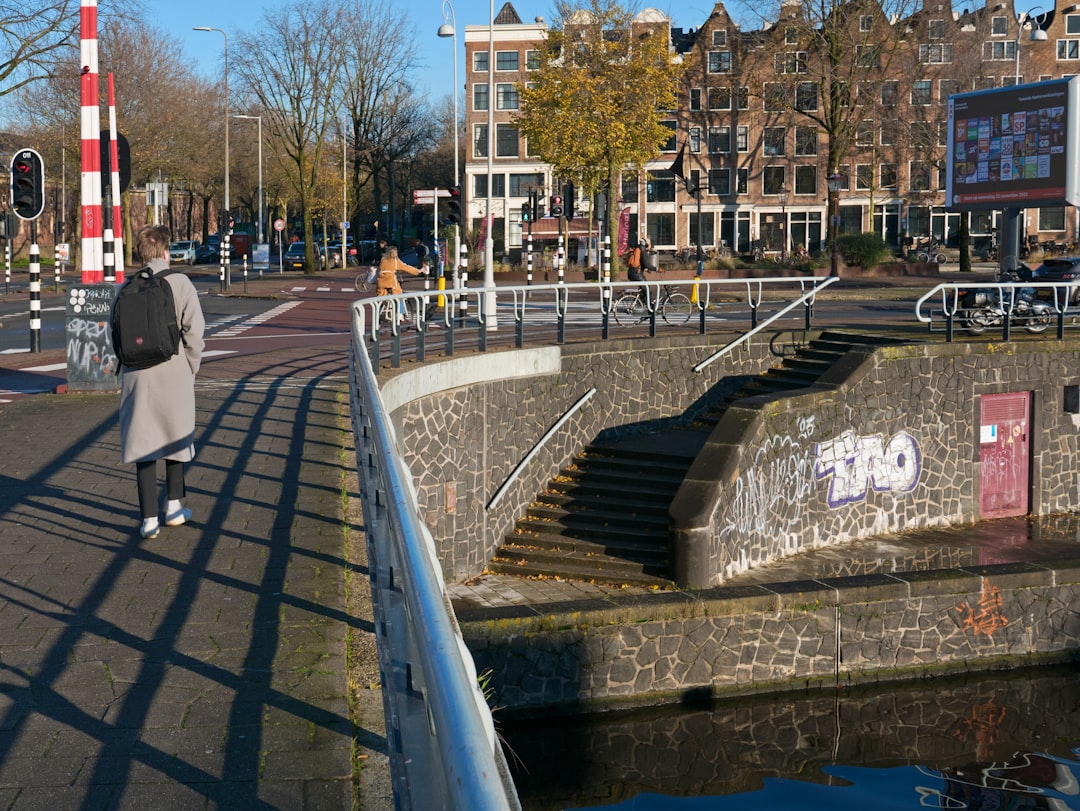
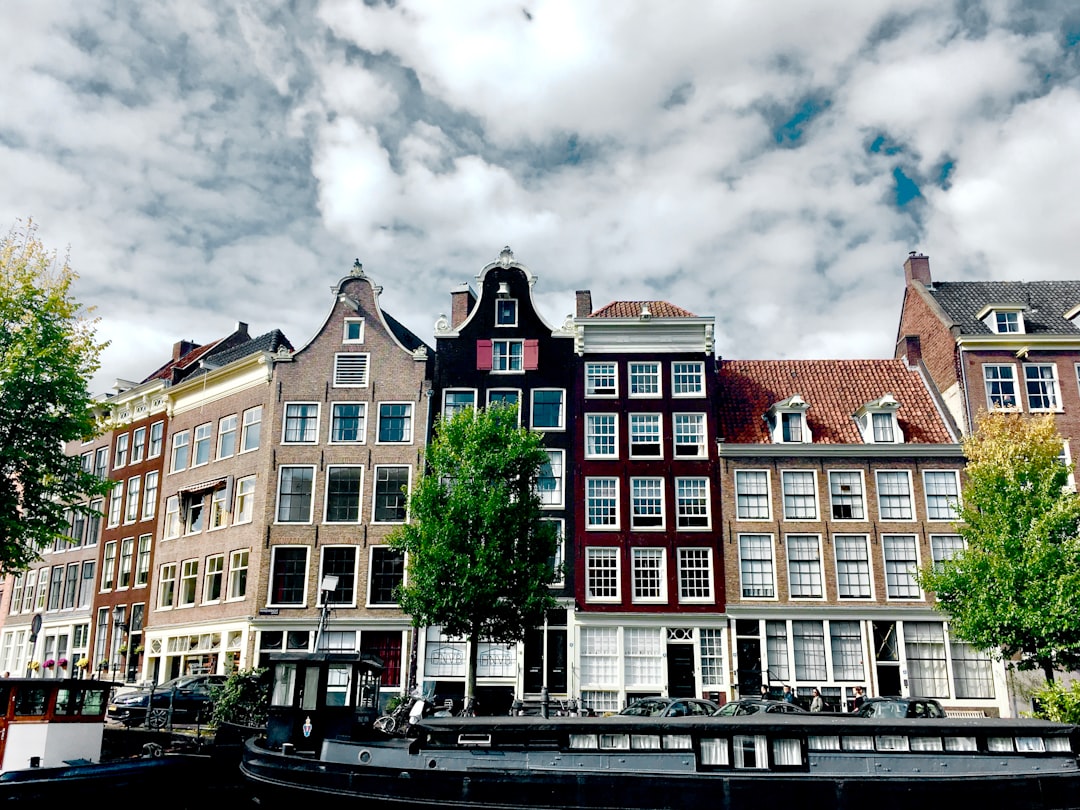
The 17th-century ring of canals is a UNESCO world heritage site — concentric arcs of water lined with gabled houses and chestnut trees. Cruise by boat or walk the quays at golden hour and the reflections turn the city into a double dream.
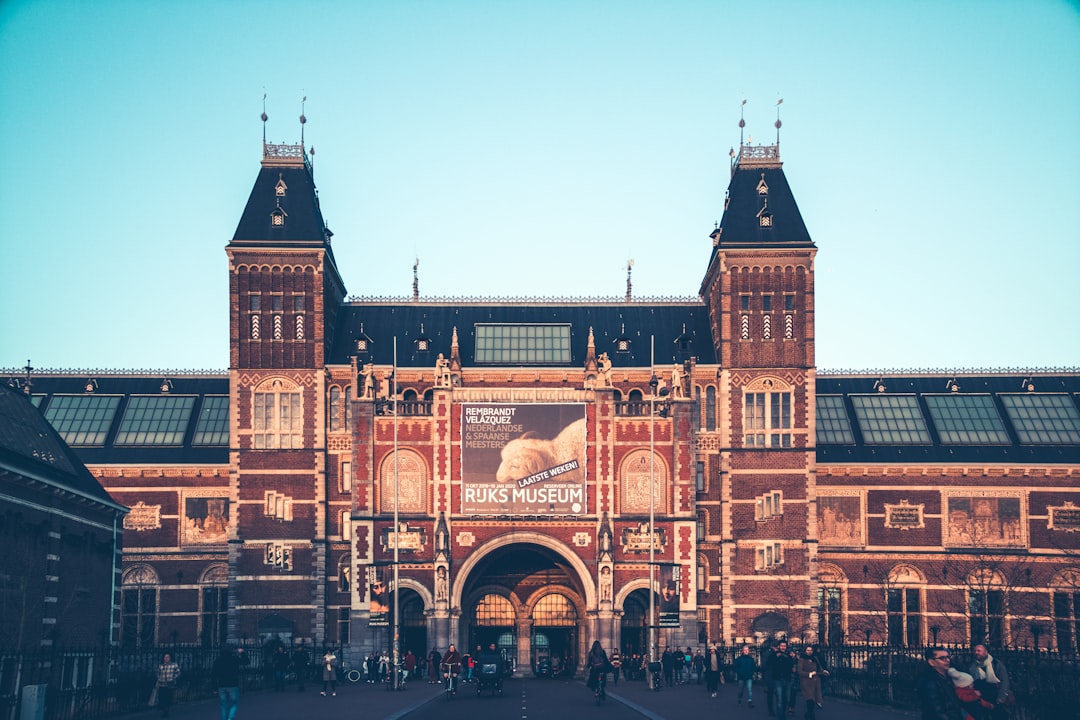
The national museum rises at the heart of Museumplein — Rembrandt's Night Watch, Vermeer's Milkmaid, and centuries of Dutch art under one vaulted roof. Cross the arch under the building on a bike and you pass through the heart of Dutch culture.
Behind the bookcase on the Prinsengracht, the secret annex where Anne wrote her diary is preserved with quiet dignity. The queue is long and the rooms are small — but the weight of history here leaves no one unchanged.
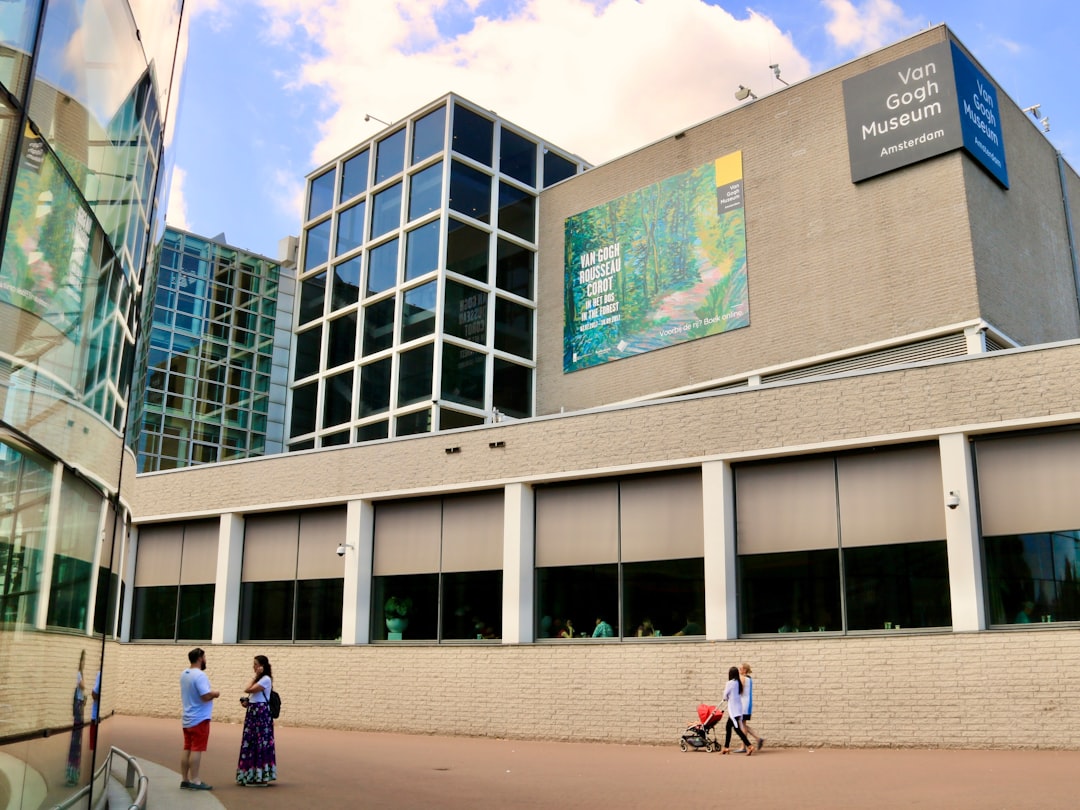
The world's largest collection of Van Gogh's work fills a building that seems to hold the sun inside — Sunflowers, Almond Blossom, and the swirl of Starry Night over the Rhône. His letters and sketches make the man as vivid as his paint.
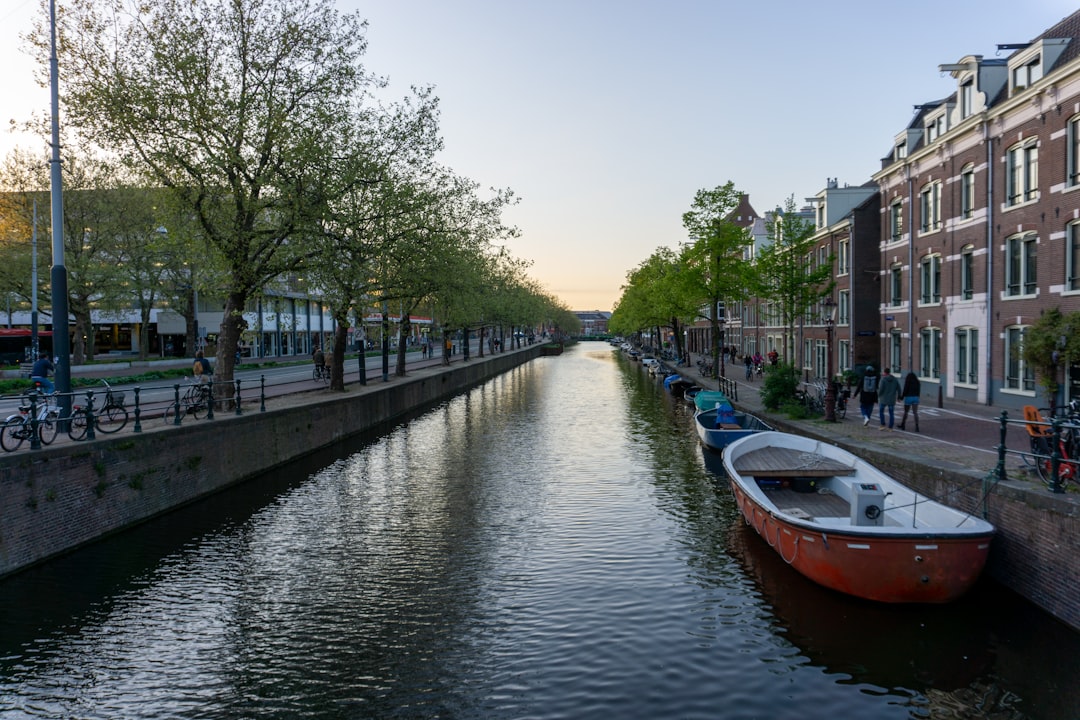
Once a working-class quarter, the Jordaan is now a maze of narrow streets, tiny bridges, and brown cafés where time slows down. No grand monuments — just washing lines, art galleries, and the sense that this is where Amsterdam lives.
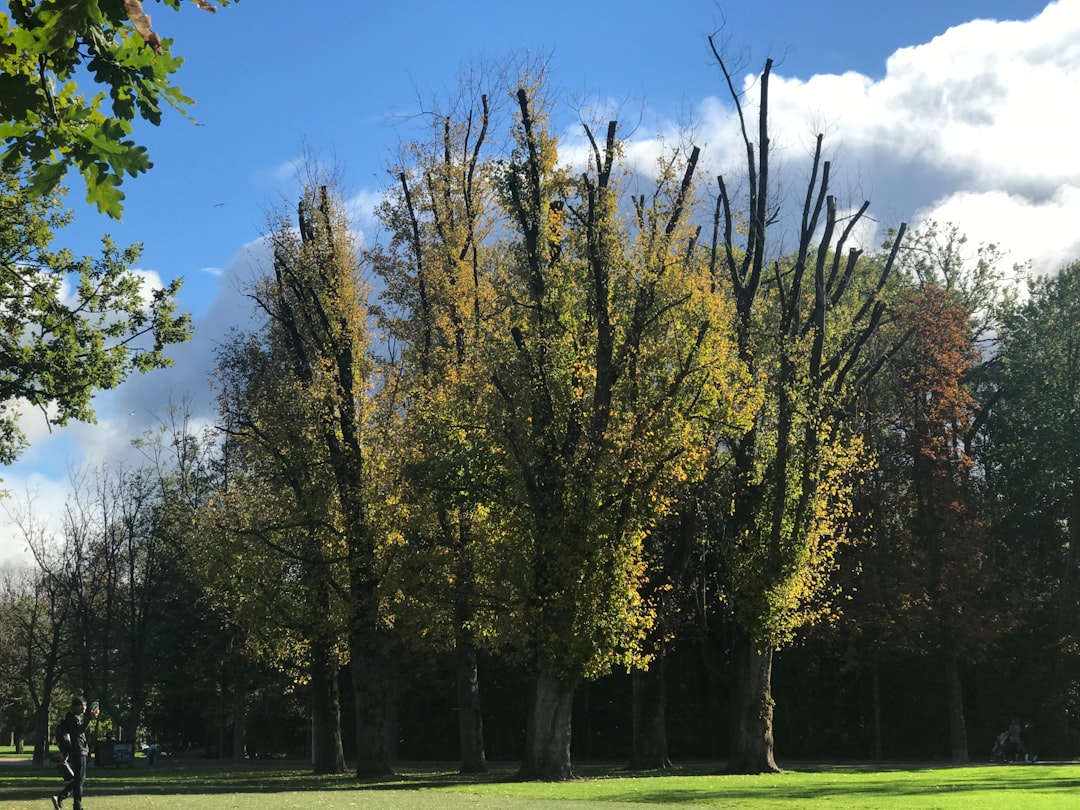
The city's green lung stretches from the museums to the west — ponds, lawns, and paths where half of Amsterdam seems to cycle, run, or picnic. In summer the open-air theatre draws crowds; in autumn the leaves turn the park to gold.
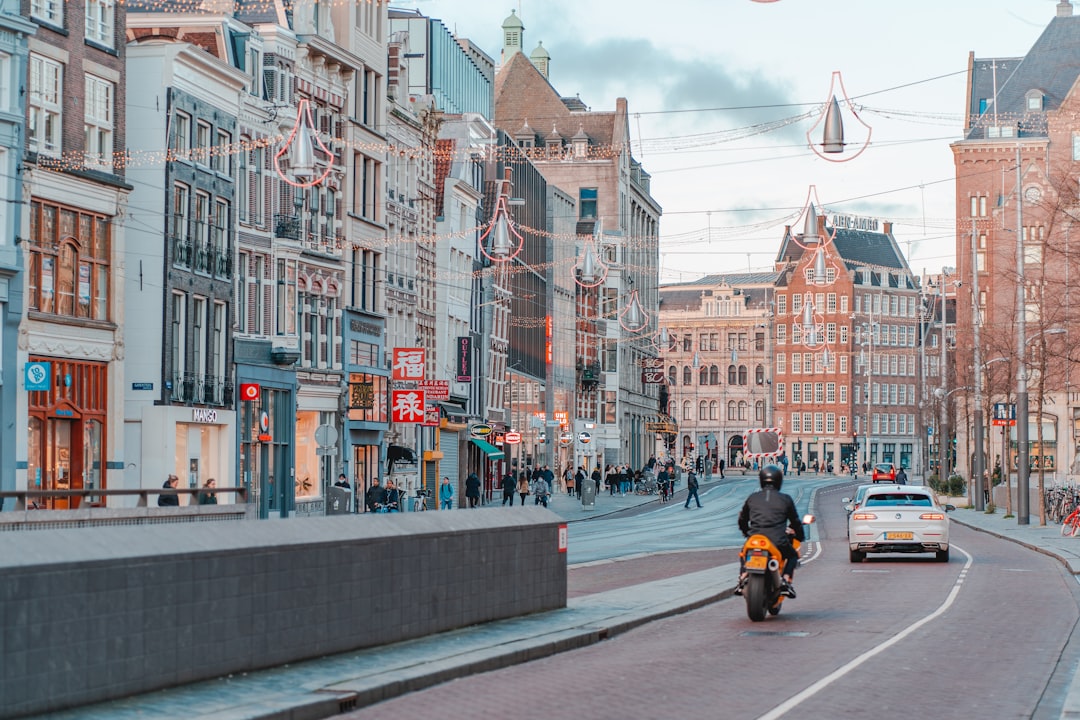
The Royal Palace and the Nieuwe Kerk frame the broad square where the Amstel was first dammed — the historical and symbolic centre of the city. Street performers, pigeons, and the National Monument mark the spot where Amsterdam began.
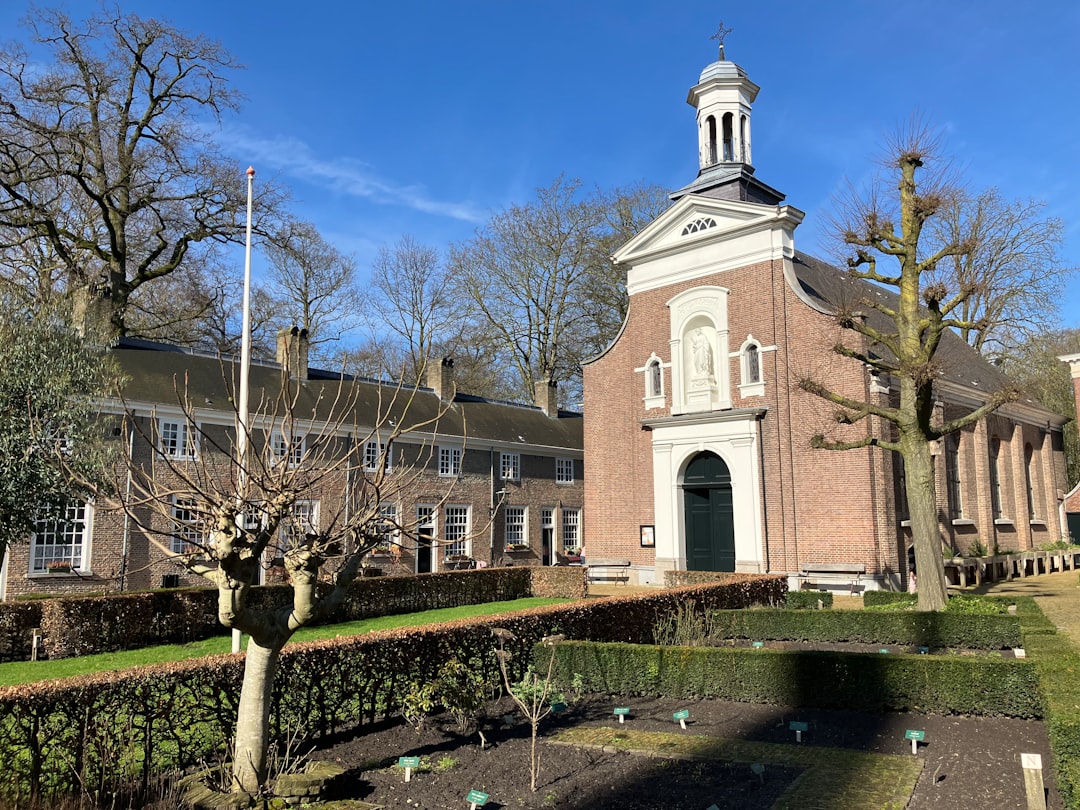
A hidden courtyard behind a wooden door — silent houses around a lawn where beguines once lived. One of the oldest wooden houses in Amsterdam stands here; the peace is so complete that the traffic on the other side of the wall seems to belong to another world.
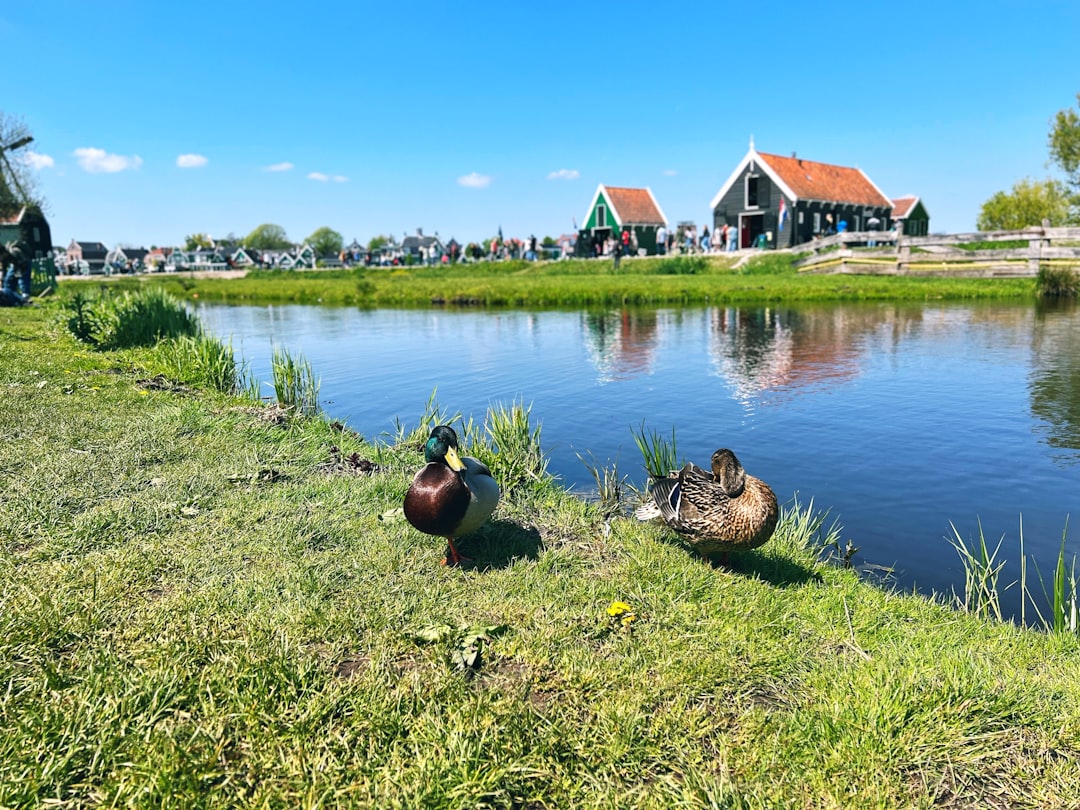
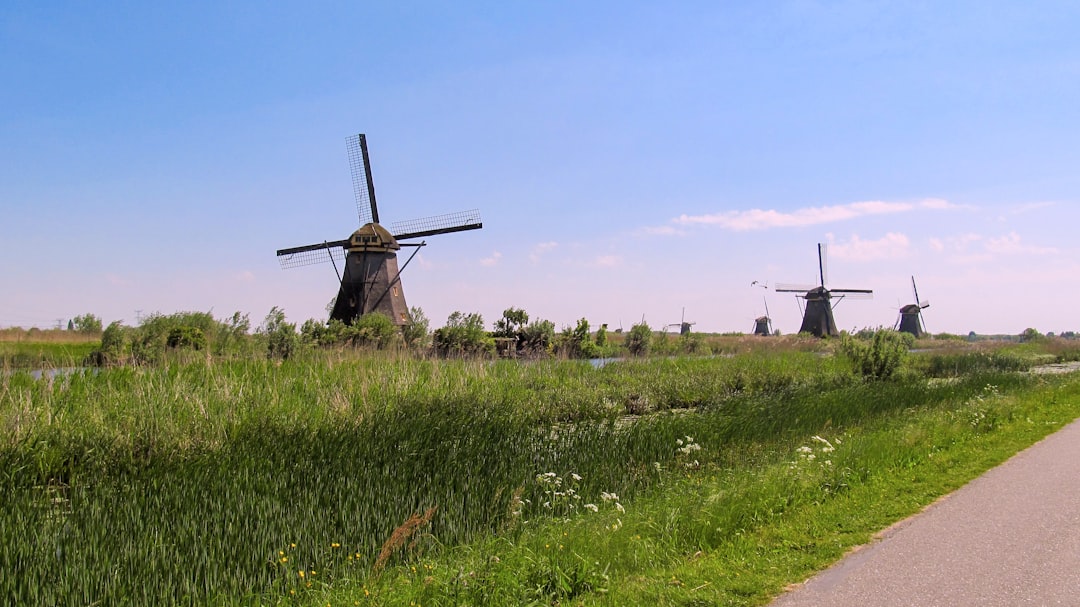
A short train ride north, windmills and green wooden houses line the Zaan — a living museum of the Dutch Golden Age. Clogs, cheese, and working mills make it the Netherlands in miniature, with the scent of chocolate from the factory drifting over the water.